Pages

Saturday, August 24, 2013

Black Gold aka Compost!!

     There is something about rich, moist, black dirt that makes me want to stick my face in it and role around! Most of the time I refrain but I think you understand how much I like it. Unfortunately that kind of soil is hard to find in most garden spots.  Most of the time urban gardeners have few options when it comes to garden location, so they pick a sunny spot in the yard and start tilling only to find soil that leaves much to be desired. At this point they have a few options. They could go ahead and plant the way it is, pay someone to bring in a load of over priced top soil or "my favorite option" MAKE COMPOST!
     Making compost is free, easy and green. Compost energizes the soil food web, which is made up of microscopic bacteria and fungi, along with earthworms, crickets, and many other life forms. Many fungi form partnerships with plant roots, making it possible for vegetables to feed themselves more efficiently. Research shows that compost enhances the ability of tomatoes and other vegetables to stand up to common diseases and may improve their flavor and nutrition, too. Compost also helps the soil retain moisture. Through composting you enhance your garden’s ability to grow healthy plants while reducing your volume of trash.
     There are many types of compost bins and drums. But if you want to go the cheap rout any enclosure that you can get into at with a shovel or fork to turn the material will do.


     This is a picture of a raised bed that I used as a compost bin over the winter months. As material was available I put it in the bed then in the spring I took off the uncomposted material and this is what was I was left with. A good seven inches of good compost!
     In order to get a good end product, The experts advise that you use equal parts brown material,(such as dead leaves etc.) green material (fresh grass clippings etc.) and water. It is also essential to turn or aerate the pile to ensure oxygen gets to all parts of the material.
    According to the EPA it is safe to compost all of the following materials as long as they have not been treated with pesticides or herbicides and are in their natural state.
  • Fruits and vegetables
  • Eggshells
  • Coffee grounds and filters
  • Tea bags
  • Nut shells
  • Shredded newspaper
  • Cardboard
  • Paper
  • Yard trimmings
  • Grass clippings
  • Houseplants
  • Hay and straw
  • Leaves
  • Sawdust
  • Wood chips
  • Cotton and Wool Rags
  • Dryer and vacuum cleaner lint
  • Hair and fur
  • Fireplace ashes

  • Friday, March 9, 2012

    Raising Rhode Island Red Chickens

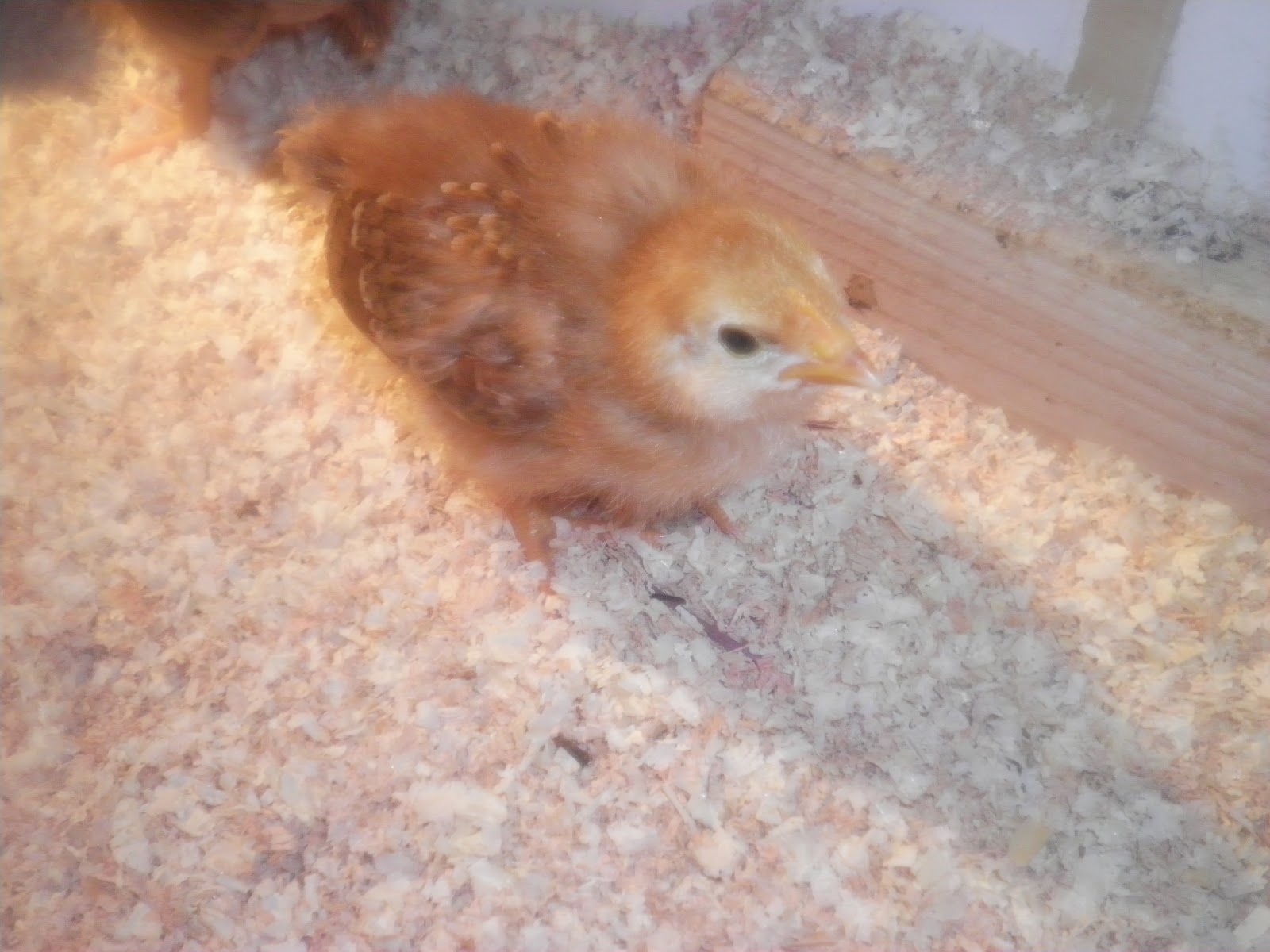
         I was gong to wait until we have a place in the country to get chickens but , three weeks ago I just couldn't help myself any more. When I saw those little balls of fuzz, my heart kind of melted. And to make matters worse they were Rhode Island Reds. I have helped my dad raise hundreds of chicken, all different breeds but, I have always wanted to raise Rhode Island Reds.
         From all that I have read these chickens are a dual purpose bird and very hardy in most climate conditions. They are very consistent brown egg layers and grown chickens weigh from five to seven pounds. I bought ten pullets from my local feed store. They were labeled as pullets but I am sure I will wind up with a rooster or two.
         The two main requirement for raising baby chicks is a warm, dry place for them to stay. I used an old cabinet that I had in the garage for a brood box. You can use any sturdy moisture resistant box available for this purpose. Fill the bottom with wood shavings or shredded paper. I suggest wood shavings because paper needs to be changed more often. I purchased a covered feeder and a one gallon hanging waterer any shallow container will do for both of these purposes. If you go with a shallow dish, I would put some gravel in the bottom of the dish to prevent the chicks from drowning.
         It's hard to know exactly what temperature these chicks want to be from one minute to the other. So, what I do is put a heat lamp in a corner of the brood box, instead of trying to heat the whole box. This way the chicks can move under the lamp if they are cold and when they are too warm they can move to the cooler parts of the brood box.
     The only other things you need a good starter grower feed. Feed is very important when it comes to chicks and laying hens. Your baby chicks digestion system cant handle cracked corn or whole seeds. So, if you want healthy baby's, go ahead and spend the extra few bucks on starter grower.
         After the chicks are in the brood box and the food and water is in place, all that is left to do is set back and watch the comedy. I hope this article was helpful. Thanks for reading.